
Introduction
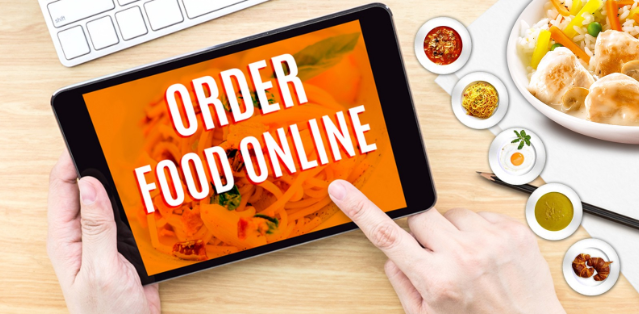
The food industry has experienced a significant transformation over the last decade due to rapid advancements in technology and changing consumer preferences. One of the most influential innovations in the restaurant and hospitality sector is the Online Food Ordering System. This technology has revolutionized how customers interact with restaurants, enabling them to browse menus, place orders, make payments, and track deliveries from the comfort of their homes.
An online food ordering system is a digital platform that allows customers to order food through websites, mobile applications, or other internet-enabled devices. It eliminates the need for traditional phone-based ordering methods and provides a more efficient, accurate, and convenient experience for both customers and restaurant operators.
As smartphones and internet access continue to grow worldwide, online food ordering systems have become an essential component of modern restaurant operations. From small local eateries to large restaurant chains, businesses are leveraging these systems to improve customer satisfaction, streamline operations, and increase revenue.
What is an Online Food Ordering System?
An online food ordering system is a software solution that enables customers to place food orders electronically. The system acts as a bridge between customers and restaurants, facilitating seamless communication and transaction processing.
Customers can access the platform through a website or mobile app, browse available menu items, customize their orders, select payment methods, and receive order confirmations. The restaurant receives the order in real time and processes it accordingly.
Online food ordering systems may support:
- Delivery orders
- Pickup orders
- Dine-in reservations
- Scheduled orders
- Contactless payments
- Real-time order tracking
These systems are widely used by restaurants, cafes, bakeries, food trucks, and cloud kitchens.
Evolution of Food Ordering Systems
Food ordering has evolved significantly over the years.
Traditional Ordering
In the past, customers visited restaurants physically or placed orders via telephone. Restaurant staff manually recorded orders, which often resulted in communication errors and delays.
Digital Transformation
The introduction of websites enabled restaurants to showcase menus online. However, customers still needed to call restaurants to place orders.
Mobile Applications
The rise of smartphones led to mobile food ordering applications. Customers could now order food with just a few taps on their devices.
Advanced Online Platforms
Modern systems integrate artificial intelligence, payment gateways, customer analytics, GPS tracking, loyalty programs, and cloud-based management tools, creating a complete digital ecosystem for food businesses.
Key Components of an Online Food Ordering System
An effective online food ordering system consists of several interconnected components.
Customer Interface
The customer interface is the front-end application where users interact with the system. It includes:
- Menu browsing
- Search functionality
- Product categories
- Cart management
- Checkout process
- Order tracking
The interface should be user-friendly, responsive, and visually appealing.
Restaurant Management Panel
The admin panel allows restaurant owners and managers to oversee operations.
Key functions include:
- Menu management
- Order management
- Inventory tracking
- Staff management
- Sales reporting
- Customer database management
Payment Gateway Integration
Payment gateways enable secure online transactions.
Popular payment options include:
- Credit cards
- Debit cards
- Digital wallets
- Bank transfers
- Cash on delivery
Secure payment processing is critical for customer trust.
Delivery Management Module
This module helps restaurants coordinate deliveries efficiently.
Features include:
- Driver assignment
- GPS tracking
- Route optimization
- Delivery status updates
- Estimated delivery times
Database Management
The database stores essential information such as:
- Customer profiles
- Order history
- Menu details
- Payment records
- Inventory data
A reliable database ensures smooth system performance.
Features of an Online Food Ordering System
Modern food ordering systems offer numerous features designed to enhance user experience and operational efficiency.
Digital Menu Management
Restaurants can update menu items, prices, images, and descriptions instantly.
Real-Time Order Tracking
Customers can track their orders from preparation to delivery.
Order Scheduling
Users can schedule orders for future dates and times.
Multiple Payment Options
Customers can choose from various payment methods for convenience.
Customer Accounts
Registered users can save:
- Addresses
- Payment information
- Favorite orders
- Order history
Push Notifications
Customers receive updates regarding:
- Order confirmation
- Food preparation
- Dispatch status
- Delivery completion
Reviews and Ratings
Customers can provide feedback that helps restaurants improve service quality.
Loyalty Programs
Restaurants can reward repeat customers with:
- Discounts
- Coupons
- Reward points
- Special promotions
Benefits of Online Food Ordering Systems
Convenience for Customers
Customers can order food anytime and anywhere without waiting on hold or visiting the restaurant.
Increased Sales
Online ordering platforms encourage impulse purchases through attractive visuals, promotions, and upselling opportunities.
Improved Order Accuracy
Digital ordering reduces misunderstandings and manual errors.
Faster Service
Orders are transmitted directly to the kitchen, reducing processing time.
Enhanced Customer Experience
Personalized recommendations and streamlined ordering processes improve satisfaction.
Better Data Collection
Restaurants gain valuable insights into customer behavior and preferences.
Reduced Labor Costs
Automation decreases the need for manual order-taking staff.
Expanded Market Reach
Businesses can serve customers beyond their immediate geographic location.
How an Online Food Ordering System Works
The process typically follows these steps:
Step 1: Menu Browsing
Customers visit the restaurant website or app and browse available menu items.
Step 2: Order Selection
Customers add desired items to their cart and customize orders if necessary.
Step 3: Checkout
Users enter delivery information and select a payment method.
Step 4: Order Confirmation
The restaurant receives the order and confirms acceptance.
Step 5: Food Preparation
Kitchen staff prepare the order according to customer specifications.
Step 6: Delivery Assignment
A delivery driver is assigned to deliver the order.
Step 7: Order Tracking
Customers monitor order progress in real time.
Step 8: Delivery Completion
The order is delivered, and customers may provide ratings and reviews.
Types of Online Food Ordering Systems
Restaurant-Owned Ordering Systems
These systems are developed specifically for individual restaurants.
Advantages include:
- Full control
- Lower commission costs
- Direct customer relationships
Third-Party Delivery Platforms
These platforms connect multiple restaurants with customers.
Examples include popular food delivery marketplaces.
Advantages include:
- Larger customer base
- Marketing support
- Delivery infrastructure
Hybrid Systems
Hybrid solutions combine restaurant-owned platforms with third-party delivery integrations.
Role of Mobile Applications
Mobile applications play a crucial role in online food ordering.
Benefits include:
- Faster access
- Personalized experiences
- GPS-based location services
- Push notifications
- One-click reordering
Mobile apps often generate higher customer engagement compared to websites.
Importance of User Experience
A successful online food ordering system must prioritize user experience.
Easy Navigation
Customers should locate menu items quickly.
Fast Loading Speed
Slow websites lead to cart abandonment and lost sales.
Attractive Design
Visual appeal influences purchasing decisions.
Responsive Layout
The platform should function seamlessly across all devices.
Simple Checkout Process
Reducing checkout steps improves conversion rates.
Security Considerations
Security is essential for protecting customer information and business operations.
Data Encryption
Sensitive data should be encrypted during transmission.
Secure Payment Processing
Compliance with payment security standards is critical.
User Authentication
Strong authentication mechanisms prevent unauthorized access.
Regular Updates
Software updates address vulnerabilities and improve performance.
Backup Systems
Regular backups protect against data loss.
Integration with Restaurant Operations
Modern food ordering systems integrate with various restaurant technologies.
Point of Sale (POS) Systems
Orders automatically sync with the restaurant’s POS system.
Inventory Management
Stock levels update in real time as orders are processed.
Accounting Software
Financial records are automatically maintained.
Customer Relationship Management (CRM)
Restaurants can manage customer interactions more effectively.
Challenges of Online Food Ordering Systems
Despite their advantages, these systems face several challenges.
Technical Issues
System downtime can disrupt business operations.
Delivery Delays
Traffic, weather, and logistical problems can affect delivery times.
High Competition
Restaurants compete with numerous businesses on digital platforms.
Commission Fees
Third-party platforms often charge significant commissions.
Cybersecurity Risks
Online systems remain vulnerable to cyber threats.
Customer Retention
Maintaining long-term customer loyalty requires continuous effort.
Future Trends in Online Food Ordering
The future of online food ordering is shaped by emerging technologies.
Artificial Intelligence
AI helps provide:
- Personalized recommendations
- Demand forecasting
- Automated customer support
Voice Ordering
Voice assistants enable hands-free food ordering.
Chatbots
AI-powered chatbots handle customer inquiries and support requests.
Contactless Delivery
Contactless delivery continues to gain popularity.
Drone Deliveries
Some companies are experimenting with drone-based food delivery systems.
Robotics
Autonomous robots may handle food delivery in urban areas.
Predictive Analytics
Restaurants can anticipate customer preferences and optimize operations.
Impact on the Restaurant Industry
Online food ordering systems have fundamentally changed restaurant operations.
Increased Digital Presence
Restaurants now compete in both physical and digital marketplaces.
Improved Efficiency
Automation streamlines workflows and reduces operational bottlenecks.
Customer-Centric Operations
Businesses focus more on personalized customer experiences.
New Business Models
Cloud kitchens and virtual restaurants have emerged due to online ordering growth.
Revenue Diversification
Restaurants generate revenue through delivery, pickup, subscriptions, and loyalty programs.
Best Practices for Implementing an Online Food Ordering System
Restaurants should follow several best practices when adopting these systems.
Choose the Right Platform
Select software that aligns with business goals and operational needs.
Optimize the Menu
Use high-quality images and detailed descriptions.
Ensure Mobile Compatibility
Most customers place orders through mobile devices.
Train Staff
Employees should understand how to manage digital orders effectively.
Monitor Performance
Track metrics such as:
- Order volume
- Delivery times
- Customer satisfaction
- Conversion rates
Gather Customer Feedback
Continuous improvement depends on customer insights.
Invest in Security
Protect customer data through strong cybersecurity measures.
Conclusion
Online food ordering systems have become an indispensable tool in the modern food service industry. They offer convenience, efficiency, and enhanced customer experiences while helping restaurants increase sales and streamline operations. By integrating advanced technologies such as mobile applications, artificial intelligence, GPS tracking, and secure payment processing, these systems create a seamless connection between customers and food providers.
As digital transformation continues to reshape consumer behavior, restaurants that embrace online food ordering systems will be better positioned to meet customer expectations, improve operational performance, and remain competitive in an increasingly technology-driven marketplace. The future promises even more innovation, including AI-powered personalization, autonomous delivery solutions, and smarter analytics, making online food ordering systems a cornerstone of the restaurant industry’s continued growth and success.