
Introduction
The restaurant industry has undergone a significant transformation in recent years, driven by technological advancements and changing customer expectations. One of the most impactful innovations is the digital menu. Traditional printed menus are gradually being replaced by digital alternatives that offer greater flexibility, improved customer experiences, and increased operational efficiency.
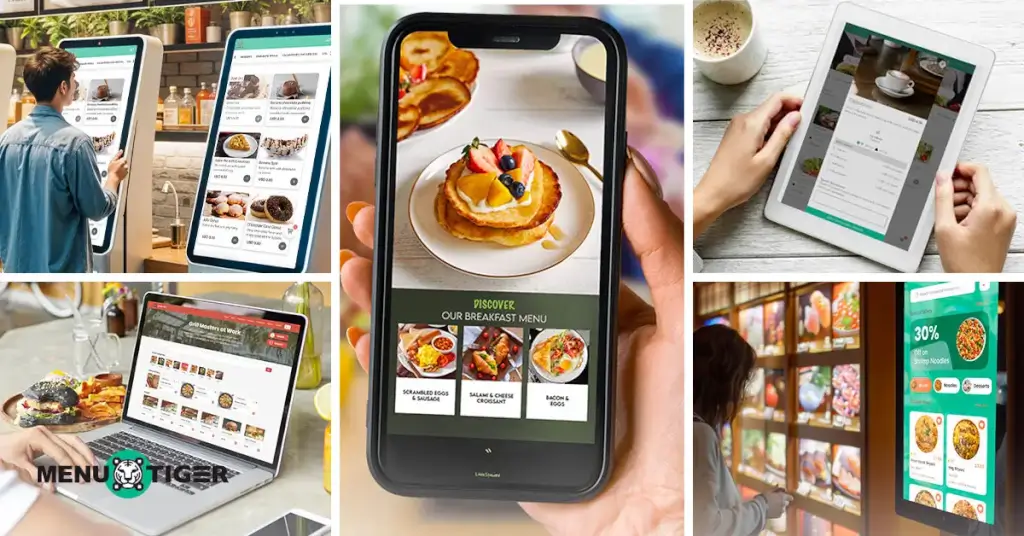
A digital menu for restaurants is an electronic version of a restaurant’s menu that can be displayed on tablets, smartphones, kiosks, digital screens, or accessed through QR codes. These menus provide customers with an interactive and engaging way to browse food and beverage offerings while helping restaurant owners streamline menu management and reduce costs.
As restaurants continue to embrace digital transformation, digital menus have become an essential tool for businesses seeking to remain competitive. From quick-service restaurants and cafes to fine dining establishments, digital menus are revolutionizing how customers interact with restaurants.
This article explores the concept of digital menus, their benefits, key features, implementation strategies, challenges, and future trends shaping the restaurant industry.
What Is a Digital Menu?
A digital menu is an electronic menu that displays food and beverage items using digital devices or screens. Unlike traditional paper menus, digital menus can be updated instantly and provide interactive features such as images, videos, nutritional information, customization options, and online ordering capabilities.
Digital menus can be presented in several formats:
- QR code menus accessible through smartphones
- Tablet-based menus at restaurant tables
- Self-service kiosk menus
- Digital menu boards
- Online ordering menus
- Mobile app menus
- Interactive touchscreen displays
These digital solutions provide customers with convenient access to menu information while allowing restaurant operators to manage menu content efficiently.
Why Restaurants Are Adopting Digital Menus
The demand for digital menus has increased significantly due to changing consumer behavior and technological advancements. Customers expect convenience, speed, and personalized experiences when dining out.
Several factors have contributed to the widespread adoption of digital menus:
Contactless Dining
Following global health concerns, restaurants sought ways to minimize physical contact. QR code menus became a popular solution, allowing customers to access menus directly from their smartphones without handling shared printed materials.
Increased Efficiency
Restaurant operators can update menu items, prices, and promotions instantly without printing new menus. This flexibility improves operational efficiency and reduces administrative workload.
Enhanced Customer Experience
Digital menus offer rich visual content, detailed descriptions, and customization options that help customers make informed decisions.
Cost Reduction
Printing and reprinting menus can be expensive. Digital menus eliminate these recurring costs while supporting environmentally friendly practices.
Key Features of Digital Menus
Modern digital menu systems include a variety of features designed to improve both customer satisfaction and restaurant operations.
Interactive Food Images
High-quality images help customers visualize menu items before ordering. Attractive visuals often encourage customers to try new dishes and increase average order values.
Real-Time Menu Updates
Restaurant managers can instantly modify menu content, including:
- Prices
- Item availability
- Ingredients
- Promotions
- Seasonal offerings
This capability ensures customers always see accurate information.
Detailed Product Information
Digital menus can display:
- Ingredients
- Allergen details
- Nutritional values
- Calorie counts
- Dietary labels
This transparency helps customers make informed choices.
Multiple Language Support
Restaurants serving international customers can offer menus in multiple languages, improving accessibility and customer satisfaction.
Menu Customization
Customers can personalize orders by selecting options such as:
- Extra toppings
- Portion sizes
- Side dishes
- Cooking preferences
- Beverage pairings
Online Ordering Integration
Many digital menus connect directly with online ordering systems, enabling customers to place orders without staff assistance.
Promotional Features
Restaurants can highlight:
- Daily specials
- Limited-time offers
- Combo deals
- Best-selling items
- Seasonal promotions
These features help drive sales and improve customer engagement.
Benefits of Digital Menus for Restaurants
Improved Customer Experience
Digital menus create a more engaging dining experience through interactive features and visually appealing content. Customers can browse menu items comfortably and access detailed information instantly.
Faster Decision Making
Clear descriptions, images, and recommendations help customers choose meals more quickly, reducing ordering times and improving table turnover.
Increased Sales
Digital menus can boost revenue by:
- Promoting high-margin items
- Suggesting add-ons
- Displaying attractive visuals
- Offering upselling recommendations
Research consistently shows that visual menus encourage customers to spend more.
Reduced Printing Costs
Traditional menus require frequent reprinting whenever prices or menu items change. Digital menus eliminate these expenses and provide long-term cost savings.
Better Menu Management
Restaurant managers can update menu information across multiple locations from a centralized dashboard, ensuring consistency and accuracy.
Environmentally Friendly Operations
Digital menus reduce paper consumption, helping restaurants support sustainability initiatives and reduce environmental impact.
Enhanced Brand Image
Technology-driven dining experiences create a modern and professional image that appeals to today’s digitally connected consumers.
Types of Digital Menus
QR Code Menus
QR code menus have become one of the most popular digital menu solutions. Customers simply scan a code using their smartphone camera to access the menu.
Benefits include:
- Contactless access
- Easy implementation
- Low cost
- Fast updates
- No app downloads required
Tablet Menus
Restaurants provide tablets at tables, allowing customers to browse menus, place orders, and make payments directly.
Advantages include:
- Interactive ordering
- Rich visual content
- Personalized recommendations
- Reduced staff workload
Digital Menu Boards
Commonly used in fast-food restaurants and cafes, digital menu boards display menu information on large screens.
Benefits include:
- Dynamic content updates
- Attractive presentations
- Promotional flexibility
- Improved visibility
Self-Service Kiosks
Customers place orders through touchscreen kiosks, reducing wait times and improving operational efficiency.
Key benefits include:
- Faster service
- Reduced labor costs
- Increased order accuracy
- Higher average order values
Mobile App Menus
Restaurant apps provide customers with convenient access to menus, ordering systems, loyalty programs, and special offers.
How Digital Menus Improve Restaurant Operations
Digital menus provide operational advantages beyond customer convenience.
Inventory Management
Integrated menu systems can automatically update item availability based on inventory levels. If a dish sells out, it can be removed instantly from the menu.
Order Accuracy
Digital ordering reduces communication errors between customers and staff, leading to more accurate orders and improved customer satisfaction.
Staff Productivity
Employees spend less time explaining menu items and updating printed menus, allowing them to focus on customer service.
Data Collection
Digital menus generate valuable customer insights, including:
- Popular menu items
- Ordering trends
- Customer preferences
- Peak ordering times
Restaurants can use this data to make informed business decisions.
Essential Features to Look for in a Digital Menu System
When selecting a digital menu solution, restaurant owners should consider the following features:
User-Friendly Interface
The menu should be intuitive and easy for customers of all ages to navigate.
Mobile Responsiveness
Menus must function smoothly across smartphones, tablets, and desktop devices.
Custom Branding
Restaurants should be able to customize colors, logos, and layouts to maintain brand consistency.
Cloud-Based Management
Cloud technology allows menu updates from any location and ensures data synchronization across devices.
POS Integration
Integration with restaurant POS systems improves efficiency and simplifies order processing.
Analytics and Reporting
Detailed reporting tools help restaurants track menu performance and customer behavior.
Security Features
Secure systems protect customer information and payment data.
Challenges of Implementing Digital Menus
Although digital menus offer many benefits, restaurants may face certain challenges during implementation.
Initial Investment
Some digital menu solutions require upfront costs for hardware, software, and installation.
Staff Training
Employees need proper training to use and manage digital menu systems effectively.
Technical Issues
Internet connectivity problems or software failures can temporarily disrupt operations.
Customer Adaptation
Some customers may prefer traditional menus and require assistance using digital alternatives.
Maintenance Requirements
Regular updates and system maintenance are necessary to ensure smooth performance.
Best Practices for Creating an Effective Digital Menu
Use High-Quality Images
Professional food photography enhances visual appeal and encourages customer engagement.
Keep Navigation Simple
Menus should be organized logically with clear categories and intuitive navigation.
Write Clear Descriptions
Accurate and appealing descriptions help customers understand menu items and make confident choices.
Highlight Popular Items
Feature best-selling dishes to guide customer decisions and increase sales.
Optimize for Mobile Devices
Since many customers access menus through smartphones, mobile optimization is essential.
Update Regularly
Keep menu information accurate by updating prices, availability, and promotions promptly.
Include Dietary Information
Provide allergen warnings and dietary labels to accommodate diverse customer needs.
Digital Menus and Customer Engagement
Digital menus offer numerous opportunities for customer interaction and engagement.
Personalized Recommendations
Artificial intelligence can recommend menu items based on customer preferences and previous orders.
Loyalty Program Integration
Restaurants can connect digital menus with loyalty programs to reward repeat customers.
Customer Feedback Collection
Digital platforms make it easy to gather reviews and feedback after meals.
Social Media Integration
Customers can share menu items and dining experiences directly on social media platforms.
Future Trends in Digital Menus
The future of digital menus is closely linked to advancements in technology and customer expectations.
Artificial Intelligence
AI-powered menus will deliver increasingly personalized recommendations and predictive ordering experiences.
Voice Ordering
Voice-enabled systems may allow customers to browse menus and place orders using voice commands.
Augmented Reality
AR technology can provide 3D visualizations of menu items, helping customers view dishes before ordering.
Dynamic Pricing
Restaurants may use digital menus to adjust pricing based on demand, time of day, or special events.
Advanced Analytics
Sophisticated analytics tools will help restaurants optimize menu design, pricing strategies, and inventory management.
Contactless Payments
Digital menus will increasingly integrate secure payment solutions, creating seamless dining experiences.
Choosing the Right Digital Menu Solution
Restaurant owners should evaluate several factors before selecting a digital menu platform.
Consider:
- Restaurant size
- Budget
- Customer preferences
- Integration requirements
- Scalability
- Technical support
- Ease of use
A well-chosen digital menu system should support current operations while accommodating future growth.
Conclusion
Digital menus have transformed the restaurant industry by enhancing customer experiences, improving operational efficiency, and supporting business growth. From QR code menus and digital menu boards to tablet ordering systems and mobile apps, digital menu technology offers numerous advantages over traditional paper menus.
As customer expectations continue to evolve, restaurants that embrace digital menu solutions can improve service quality, increase revenue, reduce costs, and strengthen their competitive position. With emerging technologies such as artificial intelligence, augmented reality, and advanced analytics, digital menus are poised to become even more sophisticated and valuable in the years ahead.
For restaurants seeking to modernize operations and deliver exceptional dining experiences, implementing a digital menu is no longer just an option—it is a strategic investment in the future of hospitality.