
Introduction
The restaurant industry has undergone a significant transformation over the past decade. Technological advancements have changed the way restaurants operate, interact with customers, and manage daily tasks. One of the most important innovations in this sector is the Restaurant Ordering System. Whether it is a small café, a fast-food chain, a fine-dining establishment, or a cloud kitchen, a restaurant ordering system has become an essential tool for improving efficiency, enhancing customer experiences, and increasing revenue.
A restaurant ordering system is a digital solution that enables customers to place orders while helping restaurant staff manage, process, and fulfill those orders efficiently. These systems can be used for dine-in services, takeaway orders, online deliveries, and self-service kiosks. By automating the ordering process, restaurants can reduce errors, speed up service, and provide a seamless experience for customers.
This article explores restaurant ordering systems, their features, benefits, types, implementation strategies, challenges, and future trends.
What is a Restaurant Ordering System?
A restaurant ordering system is software designed to facilitate the process of receiving, managing, and fulfilling food and beverage orders. It acts as a bridge between customers, servers, kitchen staff, and management.
Traditionally, restaurant orders were taken manually by waitstaff using pen and paper. These orders were then communicated to the kitchen, often leading to misunderstandings, delays, and errors. Modern restaurant ordering systems eliminate these inefficiencies by digitizing the process.
Customers can place orders through various channels, including:
- Mobile applications
- Restaurant websites
- QR code menus
- Self-service kiosks
- Tablets
- POS systems
- Third-party delivery platforms
The system automatically forwards orders to the kitchen and updates inventory, billing, and customer records in real time.
Importance of Restaurant Ordering Systems
In today’s competitive restaurant industry, customer expectations are higher than ever. Diners expect fast service, convenience, accuracy, and multiple ordering options. Restaurant ordering systems help businesses meet these expectations while improving operational efficiency.
Key reasons why restaurant ordering systems are important include:
- Faster order processing
- Reduced human errors
- Improved customer satisfaction
- Better staff productivity
- Enhanced inventory management
- Increased sales opportunities
- Data-driven decision-making
Restaurants that adopt modern ordering systems gain a competitive advantage by delivering a superior dining experience.
Types of Restaurant Ordering Systems
1. Online Ordering Systems
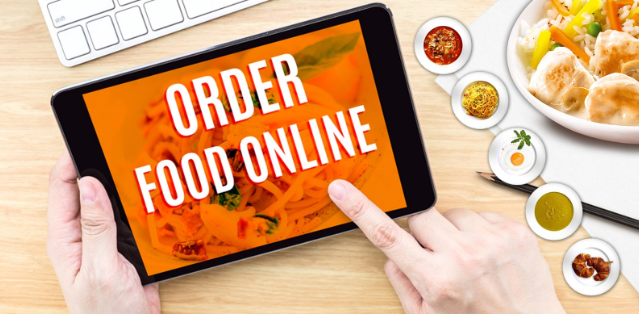
Online ordering systems allow customers to place orders through websites or mobile apps. Customers can browse menus, customize meals, make payments, and track their orders.
Benefits include:
- 24/7 order availability
- Increased convenience
- Higher order volumes
- Reduced phone order mistakes
2. Mobile Ordering Systems
Mobile ordering applications have become increasingly popular. Customers can place orders from anywhere using smartphones.
Features often include:
- Menu browsing
- Loyalty programs
- Push notifications
- Mobile payments
- Order tracking
Mobile ordering enhances customer engagement and encourages repeat purchases.
3. QR Code Ordering Systems
QR code ordering gained popularity during the pandemic and continues to be widely used. Customers scan a QR code at their table to access a digital menu and place orders directly.
Advantages include:
- Contactless dining
- Faster service
- Reduced printing costs
- Easy menu updates
4. Self-Service Kiosks
Self-service kiosks are commonly found in fast-food restaurants. Customers place orders through touchscreen devices.
Benefits include:
- Reduced wait times
- Increased order accuracy
- Lower labor costs
- Higher average order value
Studies show customers often spend more when ordering through kiosks because they are presented with upselling opportunities.
5. Table-Side Ordering Systems
Servers use tablets to take orders directly at the table. Orders are instantly transmitted to the kitchen.
Benefits include:
- Faster communication
- Reduced mistakes
- Improved customer service
- Real-time menu updates
6. Delivery Management Systems
Restaurants offering delivery services use dedicated ordering systems that integrate with delivery operations.
Features include:
- Driver assignment
- Route optimization
- Delivery tracking
- Customer notifications
These systems help ensure timely and efficient deliveries.
Key Features of a Restaurant Ordering System
Digital Menu Management
A restaurant ordering system provides digital menu management capabilities. Restaurants can update items, prices, descriptions, and images instantly.
Benefits include:
- Easy modifications
- Seasonal menu updates
- Real-time availability
Order Management
Order management allows restaurants to track every order from placement to completion.
Features include:
- Order status tracking
- Kitchen communication
- Delivery management
- Order history
Point of Sale (POS) Integration
Integration with POS systems ensures smooth transaction processing.
Advantages include:
- Centralized operations
- Accurate billing
- Sales reporting
Payment Processing
Modern systems support multiple payment methods:
- Credit cards
- Debit cards
- Mobile wallets
- Contactless payments
- Online payment gateways
Secure payment processing improves customer confidence.
Inventory Management
Restaurant ordering systems can automatically update inventory levels whenever an order is placed.
Benefits include:
- Reduced food waste
- Accurate stock tracking
- Better purchasing decisions
Customer Relationship Management (CRM)
CRM features help restaurants understand customer preferences and behaviors.
Capabilities include:
- Customer profiles
- Order history
- Personalized promotions
- Loyalty rewards
Reporting and Analytics
Comprehensive analytics provide insights into:
- Sales trends
- Popular menu items
- Peak business hours
- Customer behavior
These insights support strategic decision-making.
Benefits of Restaurant Ordering Systems
Improved Order Accuracy
Manual ordering often leads to communication errors. Digital systems transmit orders directly to the kitchen, reducing misunderstandings.
Improved accuracy leads to:
- Better customer experiences
- Fewer complaints
- Reduced food waste
Faster Service
Restaurant ordering systems streamline workflows and reduce order processing times.
Customers benefit from:
- Shorter waiting periods
- Faster food preparation
- Quicker checkout experiences
Enhanced Customer Experience
Modern consumers value convenience. Restaurant ordering systems provide a smooth and user-friendly experience.
Features such as online ordering, mobile payments, and order tracking improve satisfaction levels.
Increased Revenue
Ordering systems often increase average order values through:
- Upselling recommendations
- Combo meal suggestions
- Personalized offers
Customers are more likely to add additional items when prompted digitally.
Reduced Labor Costs
Automation reduces the need for manual order-taking and administrative tasks.
Benefits include:
- Lower staffing requirements
- Increased employee productivity
- Better resource allocation
Better Data Collection
Restaurant ordering systems generate valuable business intelligence.
Restaurants can analyze:
- Customer preferences
- Sales performance
- Inventory trends
- Marketing effectiveness
This information helps optimize operations.
How Restaurant Ordering Systems Work
The ordering process typically follows several steps:
Step 1: Customer Places an Order
Customers select menu items through:
- Website
- Mobile app
- QR code menu
- Kiosk
- Tablet
Step 2: Order Processing
The system receives and validates the order.
Functions include:
- Checking item availability
- Applying discounts
- Calculating taxes
Step 3: Kitchen Notification
Orders are sent directly to kitchen display systems or printers.
Kitchen staff receive detailed instructions regarding:
- Food items
- Modifications
- Special requests
Step 4: Preparation
Kitchen staff prepare the order according to specifications.
Order status updates may be provided throughout the process.
Step 5: Fulfillment
The completed order is:
- Served to diners
- Prepared for pickup
- Assigned to delivery drivers
Step 6: Payment and Feedback
Customers complete payment and may leave reviews or feedback.
This information helps improve future service quality.
Choosing the Right Restaurant Ordering System
Selecting the right solution requires careful evaluation.
Consider Business Size
Different systems serve different restaurant sizes.
Examples:
- Small cafés may need basic functionality.
- Multi-location chains require advanced features.
Evaluate Integration Capabilities
The system should integrate with:
- POS systems
- Accounting software
- Delivery platforms
- Inventory tools
User-Friendly Interface
Both customers and staff should find the system easy to use.
A complicated interface can reduce adoption rates.
Scalability
Choose a solution that can grow with your business.
Scalable systems support:
- Additional locations
- Increased order volumes
- Expanded functionality
Security Features
Data security is critical.
Look for:
- Payment encryption
- Secure authentication
- Compliance with industry standards
Challenges of Restaurant Ordering Systems
Initial Investment
Implementation may require:
- Software subscriptions
- Hardware purchases
- Training expenses
However, long-term benefits often outweigh initial costs.
Staff Training
Employees need proper training to maximize system effectiveness.
Without training, productivity gains may be limited.
Technical Issues
Potential challenges include:
- System downtime
- Internet outages
- Software bugs
Restaurants should have backup procedures in place.
Customer Adaptation
Some customers may prefer traditional ordering methods.
Restaurants should provide multiple ordering options to accommodate diverse preferences.
Restaurant Ordering Systems and Customer Loyalty
Loyal customers are essential for long-term success.
Ordering systems support loyalty initiatives through:
- Reward programs
- Personalized promotions
- Birthday discounts
- Exclusive offers
These features encourage repeat visits and increase customer retention.
The Role of Artificial Intelligence
Artificial Intelligence is becoming increasingly important in restaurant technology.
AI-powered ordering systems can:
- Predict customer preferences
- Recommend menu items
- Optimize inventory
- Forecast demand
As AI technology advances, ordering systems will become even more intelligent and efficient.
Future Trends in Restaurant Ordering Systems
Voice Ordering
Voice assistants are making ordering more convenient.
Customers can place orders using natural language commands.
Contactless Experiences
Demand for contactless ordering continues to grow.
Restaurants are investing in:
- QR menus
- Mobile payments
- Self-service solutions
Personalized Recommendations
Advanced algorithms will provide highly personalized menu suggestions.
Automation and Robotics
Future restaurants may integrate:
- Automated kitchens
- Robotic food preparation
- AI-driven order management
Cloud-Based Solutions
Cloud technology offers:
- Remote access
- Automatic updates
- Lower infrastructure costs
Cloud-based restaurant ordering systems are expected to dominate the market.
Best Practices for Successful Implementation
To maximize success:
- Clearly define business goals.
- Choose a reliable vendor.
- Train employees thoroughly.
- Monitor system performance.
- Gather customer feedback.
- Regularly update software.
- Optimize menu design.
- Use analytics for decision-making.
A strategic implementation approach ensures long-term benefits.
Conclusion
Restaurant ordering systems have become a fundamental component of modern restaurant operations. They streamline workflows, improve accuracy, enhance customer satisfaction, and increase profitability. Whether through online ordering, mobile apps, QR code menus, self-service kiosks, or integrated delivery solutions, these systems empower restaurants to meet evolving consumer expectations.
As technology continues to advance, restaurant ordering systems will become even more sophisticated, incorporating artificial intelligence, automation, voice ordering, and predictive analytics. Restaurants that embrace these innovations will be better positioned to compete in an increasingly digital marketplace.
Investing in a robust restaurant ordering system is no longer a luxury—it is a necessity for restaurants seeking operational excellence, customer loyalty, and sustainable growth in the modern food service industry.