
Introduction
The restaurant industry has evolved significantly over the past decade. Customers now expect fast service, seamless online ordering, digital payment options, personalized experiences, and efficient customer support. To meet these expectations while maintaining profitability, restaurant owners increasingly rely on Restaurant Management Software.
Restaurant management software is a comprehensive digital solution designed to streamline restaurant operations, improve efficiency, enhance customer satisfaction, and maximize profits. Whether you operate a small café, food truck, fine dining establishment, quick-service restaurant, or multi-location chain, the right software can transform your business.
This comprehensive guide explores everything you need to know about restaurant management software, including its features, benefits, types, implementation strategies, and future trends.
What is Restaurant Management Software?
Restaurant Management Software (RMS) is a technology platform that helps restaurant owners manage various aspects of their operations from a centralized system. It integrates multiple functions such as:
- Point of Sale (POS)
- Inventory Management
- Employee Scheduling
- Online Ordering
- Customer Relationship Management (CRM)
- Accounting
- Table Reservations
- Reporting and Analytics
- Delivery Management
Instead of managing these tasks manually, restaurant operators can automate processes, reduce errors, and gain valuable business insights.
Why Restaurants Need Management Software
Running a restaurant involves countless daily tasks. From tracking inventory and managing staff schedules to processing orders and analyzing sales data, restaurant owners face significant operational challenges.
Restaurant management software addresses these challenges by:
Improving Efficiency
Automation reduces repetitive manual tasks, allowing staff to focus on customer service and food quality.
Reducing Operational Costs
Accurate inventory tracking minimizes food waste and prevents over-ordering.
Enhancing Customer Experience
Faster order processing and personalized services improve customer satisfaction.
Increasing Revenue
Advanced reporting identifies profitable menu items and sales opportunities.
Better Decision-Making
Real-time analytics provide valuable insights for strategic planning.
Key Features of Restaurant Management Software
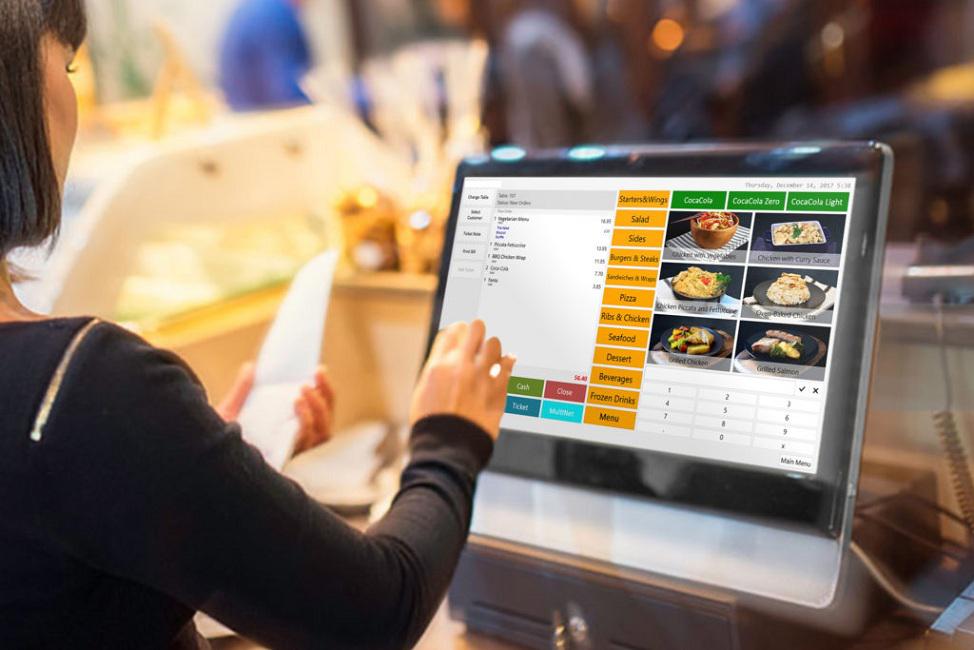
1. Point of Sale (POS) System
A POS system serves as the backbone of restaurant operations.
Key functionalities include:
- Order processing
- Payment collection
- Receipt generation
- Sales tracking
- Menu management
- Customer information storage
Modern cloud-based POS systems provide real-time access to business data from any location.
2. Inventory Management
Inventory management helps restaurants monitor stock levels and ingredient usage.
Benefits include:
- Real-time inventory tracking
- Automatic stock alerts
- Vendor management
- Waste reduction
- Cost control
Restaurant managers can identify shortages before they impact operations.
3. Employee Management
Managing restaurant staff efficiently is critical.
Features include:
- Employee scheduling
- Attendance tracking
- Payroll integration
- Performance monitoring
- Shift management
Automated scheduling reduces labor costs while ensuring adequate staffing.
4. Online Ordering System
Online ordering has become essential for restaurants.
Capabilities include:
- Website ordering
- Mobile app ordering
- Delivery integration
- Pickup scheduling
- Payment processing
Customers can place orders conveniently without calling the restaurant.
5. Table Reservation Management
Reservation systems improve customer experiences.
Features include:
- Online reservations
- Table assignment
- Waitlist management
- Guest tracking
- Reservation reminders
Restaurants can optimize seating capacity and reduce wait times.
6. Customer Relationship Management (CRM)
CRM tools help build customer loyalty.
Functions include:
- Customer profiles
- Purchase history
- Loyalty programs
- Marketing campaigns
- Personalized promotions
Understanding customer behavior helps restaurants increase repeat business.
7. Accounting and Financial Management
Financial tracking becomes easier with integrated accounting tools.
Benefits include:
- Expense tracking
- Profit analysis
- Tax reporting
- Financial forecasting
- Budget management
Restaurant owners gain a clearer picture of financial performance.
8. Reporting and Analytics
Data-driven decisions are essential for growth.
Analytics tools provide:
- Sales reports
- Inventory reports
- Labor cost analysis
- Customer trends
- Profitability metrics
These insights help restaurants optimize operations.
Types of Restaurant Management Software
Cloud-Based Software
Cloud solutions operate online and store data securely in remote servers.
Advantages:
- Access from anywhere
- Automatic updates
- Lower upfront costs
- Scalability
- Enhanced security
Cloud systems are increasingly popular among modern restaurants.
On-Premise Software
Installed directly on restaurant computers and servers.
Benefits:
- Greater control
- No internet dependency
- Customization options
However, maintenance costs can be higher.
Hybrid Solutions
Hybrid systems combine cloud-based and local functionality.
Advantages include:
- Flexibility
- Enhanced reliability
- Better performance
Many restaurants prefer hybrid solutions for balanced functionality.
Benefits of Restaurant Management Software
Increased Productivity
Automation eliminates time-consuming manual tasks.
Employees spend less time on administrative work and more time serving customers.
Improved Accuracy
Manual processes often lead to mistakes.
Software reduces errors in:
- Orders
- Inventory tracking
- Billing
- Payroll
Better Customer Experience
Fast service and personalized interactions create loyal customers.
Satisfied customers are more likely to:
- Return frequently
- Recommend the restaurant
- Leave positive reviews
Enhanced Inventory Control
Restaurants lose significant revenue due to inventory mismanagement.
Software helps:
- Track ingredient usage
- Prevent theft
- Reduce spoilage
- Optimize purchasing
Revenue Growth
Restaurants can identify opportunities to increase sales through:
- Upselling
- Promotions
- Customer insights
- Menu optimization
How Restaurant Management Software Works
The software integrates various operational components into a unified platform.
A typical workflow includes:
- Customer places an order.
- POS system records the transaction.
- Kitchen receives order details instantly.
- Inventory updates automatically.
- Sales reports generate in real time.
- Customer data updates in CRM.
- Management accesses performance analytics.
This seamless process improves overall efficiency.
Essential Factors When Choosing Restaurant Management Software
Business Size
Small restaurants may need basic solutions, while larger establishments require advanced features.
Budget
Evaluate:
- Initial costs
- Subscription fees
- Maintenance expenses
- Training costs
Choose software that aligns with financial goals.
Ease of Use
Complicated software can reduce productivity.
Look for:
- User-friendly interfaces
- Quick training
- Simple navigation
Integration Capabilities
The software should integrate with:
- Payment gateways
- Delivery platforms
- Accounting systems
- Marketing tools
Customer Support
Reliable support ensures smooth operations.
Consider vendors offering:
- 24/7 assistance
- Live chat
- Phone support
- Training resources
Popular Restaurant Management Software Solutions
Toast POS
Known for:
- Restaurant-specific features
- Cloud functionality
- Strong reporting tools
Square for Restaurants
Ideal for:
- Small businesses
- Quick setup
- Affordable pricing
Lightspeed Restaurant
Offers:
- Advanced analytics
- Inventory management
- Multi-location support
TouchBistro
Popular among:
- Full-service restaurants
- Fine dining establishments
- Growing businesses
Revel Systems
Provides:
- Enterprise-grade solutions
- Franchise management
- Advanced integrations
Restaurant Management Software for Different Business Types
Fast Food Restaurants
Key requirements:
- Fast order processing
- Drive-thru support
- Self-service kiosks
Fine Dining Restaurants
Important features:
- Reservation management
- Guest profiles
- Table-side ordering
Cafes and Coffee Shops
Need:
- Quick POS systems
- Loyalty programs
- Mobile payments
Food Trucks
Require:
- Mobile POS
- Offline functionality
- Inventory tracking
Multi-Location Chains
Need:
- Centralized reporting
- Franchise management
- Standardized operations
Implementation Best Practices
Assess Current Operations
Identify challenges and objectives before selecting software.
Train Employees
Provide comprehensive training for all staff members.
Start Gradually
Implement modules in phases to reduce disruptions.
Monitor Performance
Track KPIs to evaluate effectiveness.
Gather Feedback
Employee feedback helps optimize software usage.
Common Challenges and Solutions
Resistance to Change
Some employees may resist new technology.
Solution:
- Proper training
- Clear communication
- Ongoing support
Data Migration Issues
Moving existing data can be complex.
Solution:
- Backup data
- Use vendor assistance
- Test thoroughly
Integration Problems
Third-party systems may not connect properly.
Solution:
- Verify compatibility beforehand
- Conduct testing
Budget Constraints
Software investments can be costly.
Solution:
- Prioritize essential features
- Choose scalable solutions
The Role of Artificial Intelligence in Restaurant Management
Artificial Intelligence (AI) is transforming restaurant operations.
Applications include:
Predictive Analytics
AI forecasts:
- Customer demand
- Inventory needs
- Staffing requirements
Personalized Marketing
AI analyzes customer behavior to create targeted promotions.
Chatbots
Restaurants use chatbots for:
- Reservations
- Customer support
- Order assistance
Dynamic Pricing
AI helps optimize menu pricing based on demand.
Mobile Technology and Restaurant Management
Mobile apps provide flexibility for restaurant operators.
Benefits include:
- Remote monitoring
- Mobile ordering
- Staff communication
- Instant notifications
Managers can oversee operations from virtually anywhere.
Future Trends in Restaurant Management Software
Contactless Technology
Demand continues growing for:
- QR menus
- Digital payments
- Self-service ordering
Voice Ordering
Voice assistants will increasingly support restaurant transactions.
Advanced Automation
Automation will handle:
- Inventory replenishment
- Marketing campaigns
- Staff scheduling
Blockchain Integration
Blockchain may improve:
- Food traceability
- Supply chain transparency
- Payment security
Enhanced Data Analytics
Restaurants will gain deeper insights through advanced analytics tools.
ROI of Restaurant Management Software
Restaurants often experience significant returns on investment.
Benefits include:
- Reduced labor costs
- Lower food waste
- Increased sales
- Improved efficiency
- Higher customer retention
Many restaurants recover software costs within months of implementation.
Security Considerations
Restaurants process sensitive customer information.
Essential security measures include:
- Data encryption
- Secure payment processing
- Access controls
- Regular updates
- Backup systems
Protecting customer data builds trust and prevents costly breaches.
Conclusion
Restaurant management software has become an essential tool for modern food service businesses. It streamlines operations, reduces costs, improves customer satisfaction, and supports business growth. From POS systems and inventory management to advanced analytics and AI-powered automation, these solutions provide restaurants with the technology needed to remain competitive in an increasingly digital marketplace.
Whether you’re launching a new restaurant or upgrading existing operations, investing in the right restaurant management software can significantly improve efficiency and profitability. As technology continues evolving, restaurants that embrace innovative software solutions will be better positioned for long-term success.
By carefully evaluating your business needs, selecting the right platform, and implementing it effectively, you can transform your restaurant into a more efficient, customer-focused, and profitable operation.